

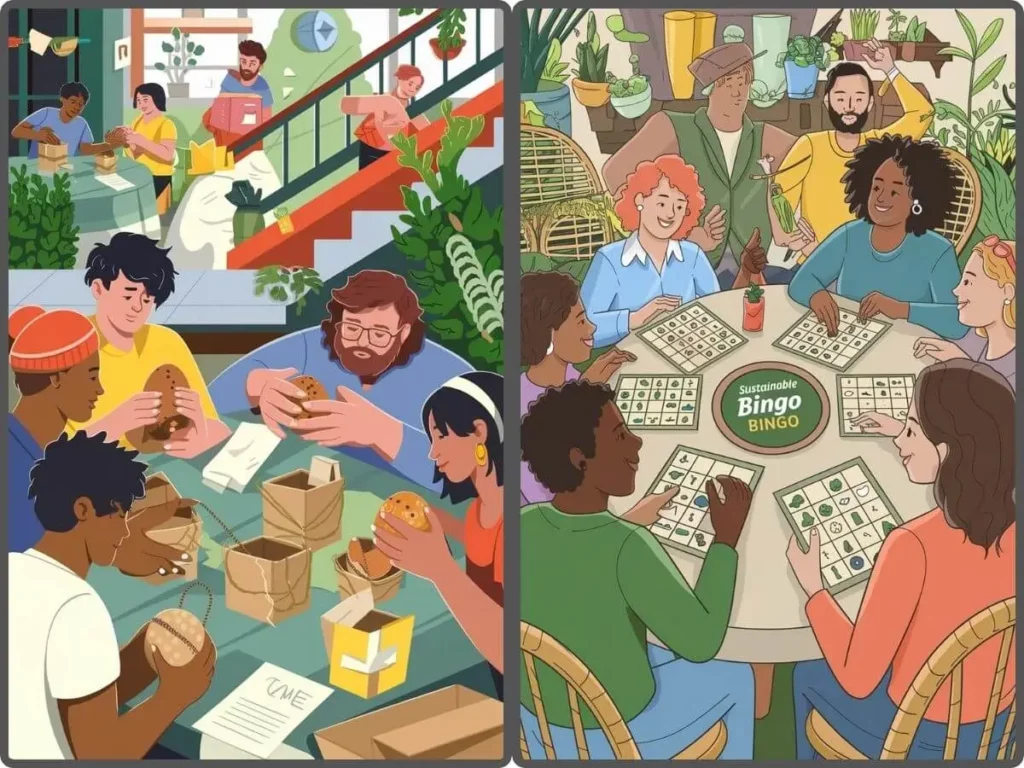
Eco-Friendly Bingo Supplies and Practices: A Greener Way to Play

Think of the classic bingo hall. The rustle of paper cards, the clatter of plastic chips, the hum of excitement. Now, imagine that same joy, that same community connection, but with a lighter footprint on the planet. Honestly, it’s not only possible—it’s becoming a quiet revolution in game nights everywhere.
Let’s dive in. Eco-friendly bingo is all about making mindful choices. It’s swapping out single-use plastics for durable alternatives, choosing supplies made from recycled or sustainable materials, and adopting a few simple habits that add up. Here’s the deal: you don’t have to sacrifice the fun. In fact, you might just enhance it.
Why Go Green with Your Bingo Game?
Well, for starters, traditional bingo can generate a surprising amount of waste. Disposable paper cards used once, plastic daubers that dry out and get tossed, non-recyclable prize packaging… it piles up. For community centers, churches, and even home enthusiasts hosting regular games, those small choices have a big cumulative impact.
That said, the shift isn’t just about reducing guilt. It’s about stewardship. Many players find that using beautiful, well-made sustainable supplies actually deepens the experience. There’s a tactile pleasure in a sturdy, recycled cardstock sheet or a smooth wooden counter. It feels more intentional. More connected.
Your Guide to Sustainable Bingo Supplies
1. The Cards: Moving Beyond Single-Use Paper
This is the big one. The core of eco-friendly bingo cards. Instead of flimsy tear-away sheets, consider these options:
- Reusable Plastic-Coated Cards: Wipe-clean, durable, and they last for years. A single set can replace thousands of paper sheets. Pair them with dry-erase markers instead of daubers for a truly zero-waste option.
- Cards Made from 100% Recycled Cardstock: If you prefer the feel of paper, seek out brands that use post-consumer waste. And then, crucially, recycle them again after use.
- Digital Cards: For high-tech bingo, tablets and apps eliminate physical waste entirely. It’s a fantastic solution for large, modern bingo operations focused on sustainable bingo practices.
2. Daubers & Markers: Ditching the Plastic Bottle
The classic ink dauber is essentially a single-use plastic bottle. They leak, they dry out, they get thrown away. The alternatives? They’re pretty clever.
- Refillable Daubers: Look for durable, ergonomic daubers with replaceable ink pads and refillable ink bottles. One body can last a lifetime.
- Wooden Stampers or Counters: A charming, old-school option. Use wooden discs, stones, or glass beads to cover numbers. No ink, no mess, just a satisfying clink.
- Dry-Erase Markers: As mentioned, perfect for coated reusable cards. Just make sure to choose markers with recyclable bodies or refillable ink.
3. The Little Things: Counters, Pull-Tabs, and More
It’s the details that complete a green bingo night. For random number generation, a classic mechanical cage with wooden balls is inherently sustainable. If you use electronic random number generators, power them with rechargeable batteries. Even prize bags can be reusable cloth totes instead of plastic wrap.
| Supply | Traditional Choice | Eco-Friendly Swap |
| Cards | Single-use paper | Wipe-clean reusable or recycled cardstock |
| Markers | Disposable plastic daubers | Refillable daubers or wooden counters |
| Number Selection | Plastic balls or digital screen | Wooden balls in a cage or solar-powered device |
| Prizes | New, plastic-wrapped items | Experiences, local goods, or plants/seeds |
Building an Eco-Conscious Bingo Culture
Supplies are one thing. But the real magic happens in the habits. How you play matters just as much as what you play with.
Hosting a Low-Waste Bingo Event
If you’re running the show, you set the tone. Communicate your green goals to players—most will be enthusiastically on board. Provide clearly labeled recycling and compost bins right there in the playing area. Serve refreshments with real mugs and plates, or if you must use disposables, choose compostable ones. Honestly, it’s these visible commitments that spark conversation and change.
Rethinking Prizes and Packaging
Prizes are a huge part of the fun! But instead of mass-produced trinkets, consider prizes that align with an eco-friendly lifestyle. Gift certificates to local farmers’ markets, reusable coffee cups, potted plants, or homemade baked goods in a reusable container. The prize becomes part of the story, not just a thing to win.
And you know, it doesn’t stop there. Even the way you promote your event can be greener—think digital flyers over printed ones.
The Bigger Picture: It’s More Than Just a Game
Adopting environmentally friendly bingo supplies might seem like a small act. A drop in the ocean. But oceans are made of drops. Each reusable card set is a statement. Each refilled dauber is a habit reformed. For community groups, it’s a powerful demonstration of values in action. It shows that tradition and sustainability aren’t at odds—they can be beautifully, playfully intertwined.
The next time you set up for a game, take a second look at your kit. What can be reused? What can be sourced better? The journey toward a greener game is just that—a journey, not a perfect destination. It’s about playing with a bit more thought, a bit more care. And that, in the end, makes calling “Bingo!” feel even sweeter.


