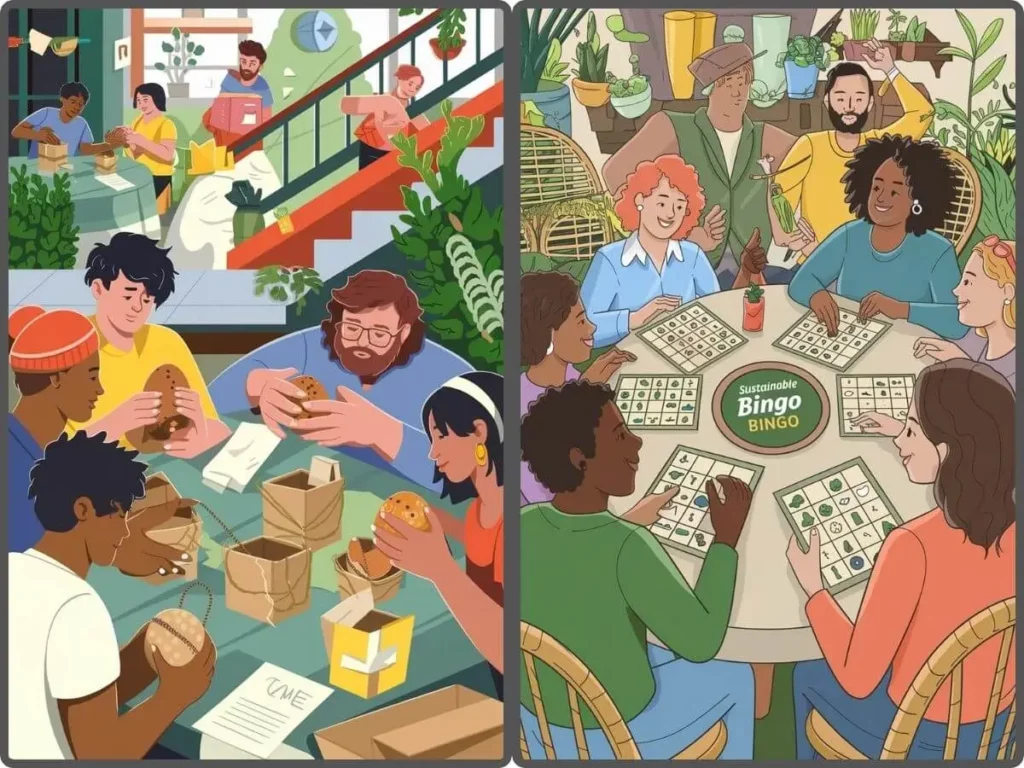
More Than a Game: The History and Cultural Significance of Bingo Halls as Community Hubs

Think of a bingo hall. What comes to mind? For many, it’s the clatter of daubers, the rhythmic call of numbers, and rows of people staring intently at their cards. But honestly, that’s just the surface. The real story of the bingo hall isn’t about the game itself—it’s about the people playing it. For decades, these often-unassuming spaces have served as vital, humming community hubs, stitching together the social fabric in ways few other venues have.
From Beano to Big Time: A Quick History of the Game
Let’s rewind a bit. The game we know has surprisingly aristocratic roots, evolving from a 16th-century Italian lottery. It hopped across Europe and landed in America at carnivals in the 1920s, where it was called “Beano.” The legend goes that a toy salesman named Edwin S. Lowe heard a winner accidentally yell “Bingo!” instead of “Beano” in 1929. He ran with it, and a phenomenon was born.
But here’s the deal: bingo’s explosion wasn’t just about fun and games. It was about necessity. In the mid-20th century, particularly after World War II, churches and charitable organizations were looking for ways to fundraise. Bingo was perfect. It was simple, required little equipment, and could draw a crowd. So, church basements, veterans’ halls, and dedicated bingo palaces began popping up everywhere. They weren’t just places to gamble a few dollars; they became, almost by accident, a primary meeting ground.
The Unbeatable Social Glue of the Local Bingo Hall
So, what made these places such powerful community anchors? It wasn’t fancy decor. In fact, it was often the opposite. The magic was in the ritual and the shared experience.
A Weekly Ritual of Connection
For millions, bingo night was as fixed as Sunday dinner. It provided structure. You’d see the same faces every Wednesday night. You’d have your “lucky” seat. You’d share daubers and commiserate over near-misses. In an era before the internet and, frankly, before our lives became so digitally isolated, this physical, scheduled gathering was a lifeline—especially for seniors, stay-at-home parents, and shift workers.
Leveling the Social Playing Field
The bingo hall was a great equalizer. Around those tables, social status, job title, and background faded away. Everyone was just a player hoping for “B-9.” The conversation flowed as easily between a retired teacher and a factory worker, united by a common goal and the simple act of being in the same room.
More Than a Game: Support and Solidarity
These halls became informal support networks. News was shared—births, illnesses, grandkids’ achievements. If someone stopped showing up, people noticed. They’d check in. Meals were organized for those going through a hard time. In many ways, the community bingo hall functioned like an extended family, offering a unique blend of casual camaraderie and genuine care.
The Architecture of a Hub: What Made It Work?
The design of a traditional hall, even if unintentional, fostered this community feel. Let’s break it down:
| Feature | Community Function |
| Long, communal tables | Forced interaction, shared space, easy conversation. |
| The “Bingo Cafe” or concession | A place to gather before/after, share a cheap meal, extend the social time. |
| The stage or caller’s platform | A focal point, creating a shared, suspenseful experience for all. |
| Acoustics (often loud & echoey) | You had to lean in to talk, creating intimacy amidst the chaos. |
The Digital Shift and the Fight for Relevance
Okay, let’s be real. The landscape has changed. The rise of online bingo sites, tighter regulations on charitable gaming, and, most critically, the decline of consistent in-person social habits have hit traditional halls hard. Many have shuttered. For the younger generation, the idea of spending a Friday night in a bingo hall might seem, well, quaint.
But that’s not the whole story. The ones that survive—and even thrive—have adapted. They’ve understood that their product was never just bingo. It was connection.
So, modern successful halls have evolved. They host themed nights (disco bingo, drag queen bingo), offer better food and drink, and market themselves as experiential social events. They’re leaning into the very thing that made them special: being a real, physical place where people can look each other in the eye and share a laugh.
A Lasting Legacy and a Modern Lesson
The cultural significance of the bingo hall is profound. It was a democratizing space. A sanctuary from loneliness. A fundraising engine for countless local causes, from new church roofs to youth sports teams. It taught us that community isn’t something that just happens; it needs a place to gather, a ritual to follow, and a common, lighthearted purpose.
In our current age of digital likes and algorithm-driven interactions, the humble bingo hall offers a quiet lesson. It reminds us that there’s an irreplaceable magic in shared physical space, in the rustle of paper cards, and in the collective groan when the person two seats down yells “Bingo!” just before you could. The halls that endure aren’t selling a game. They’re selling membership—to a club, to a tribe, to a little pocket of community that still believes in looking up from your screen and daubing a number next to a friend.